Attachment-Based Therapy in Arcadia, CA

Attachment-Based Therapy

Do you find yourself worrying about being abandoned, pulling away when relationships become emotionally close, struggling to trust others, or repeating relationship patterns you understand but cannot seem to change?

Attachment-based therapy can help you better understand how past and present relationship experiences may influence the way you connect with others, respond to conflict, manage emotions, and experience closeness.

At Aspire Counseling Group, we use attachment-based therapy within a personalized, whole-person approach. Therapy may explore relationship patterns, emotional needs, boundaries, trust, communication, past experiences, and the ways you respond when relationships feel uncertain or emotionally intense.

We offer attachment-based therapy in Arcadia, CA, with online therapy available throughout California. Our office serves clients from Arcadia, Pasadena, San Marino, Monrovia, Sierra Madre, Temple City, and nearby San Gabriel Valley communities.

Same-week, evening, and weekend appointments are available.

Ready to get started?
Call us today at (626) 639-8844 or book online. Our care coordinator and clinical director can help match you with a therapist based on your concerns, preferred style and approach, language, schedule, and insurance or payment needs.

What Is Attachment-Based Therapy?

Attachment-based therapy explores how experiences within important relationships may influence the way you understand yourself, relate to others, and respond to closeness, conflict, separation, or uncertainty.

Our earliest relationships can play an important role in emotional development, but attachment patterns are not fixed. Relationships throughout life can shape the ways we learn to trust, communicate, seek support, protect ourselves, and respond to emotional needs.

Attachment-based therapy can help you become more aware of these patterns and understand where they may have developed.

Rather than labeling you as “secure,” “anxious,” or “avoidant,” therapy focuses on understanding your individual experiences and helping you develop healthier, more flexible ways of relating to yourself and others.

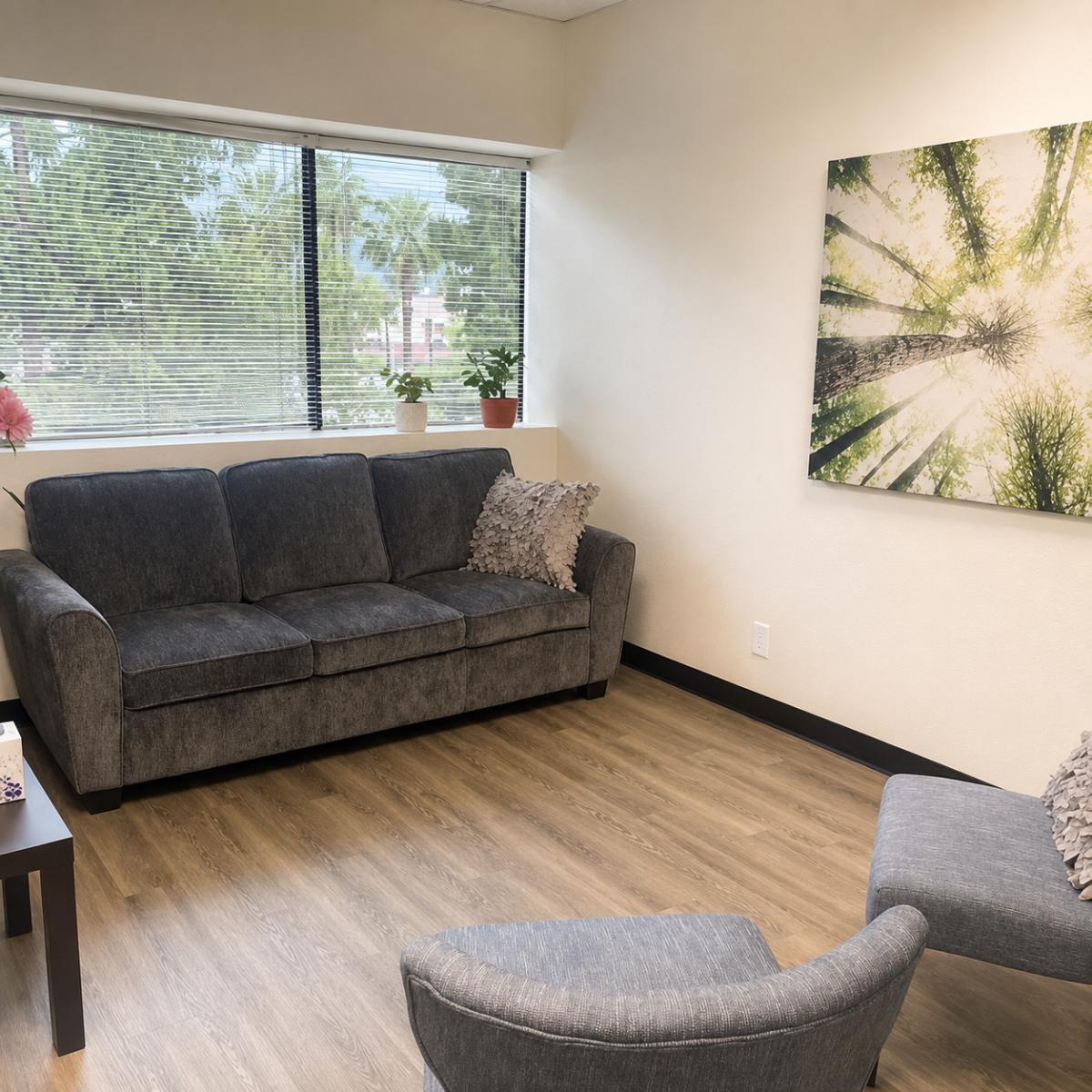
Confidential Therapy Room at Aspire Counseling Group in Arcadia CA

Comfortable, private therapy office at Aspire Counseling Group in Arcadia, California, offering a welcoming setting for attachment-based therapy, relationship counseling, and trauma-informed care for teens, adults, couples, and families.

How Attachment-Based Therapy Works

Attachment-focused therapy often explores both your current relationships and the experiences that may have shaped the way you connect with people today.

Your therapist may help you notice patterns involving:

  • fear of rejection or abandonment
  • difficulty trusting others
  • pulling away when relationships become emotionally close
  • needing frequent reassurance
  • difficulty expressing emotional needs
  • people-pleasing
  • difficulty setting or maintaining boundaries
  • becoming highly reactive during conflict
  • shutting down or withdrawing
  • feeling responsible for other people’s emotions
  • difficulty depending on others
  • repeating painful relationship patterns

The goal is not to blame parents, caregivers, partners, or past relationships.

Instead, therapy can help you understand why certain responses developed and decide which patterns still serve you and which ones you would like to change.

Attachment, Emotions, and Relationships

Relationships can bring out some of our strongest emotional reactions.

When you feel rejected, criticized, ignored, misunderstood, or uncertain about an important relationship, you may notice yourself becoming anxious, angry, defensive, withdrawn, overwhelmed, or intensely focused on repairing the connection.

Attachment-based therapy can help you recognize these reactions earlier and understand what may be happening underneath them.

Therapy may help you:

  • identify relationship triggers
  • communicate needs more clearly
  • tolerate vulnerability and emotional closeness
  • develop healthier boundaries
  • recognize patterns of pursuing or withdrawing
  • respond differently during conflict
  • build greater trust in yourself and others
  • strengthen emotional regulation
  • develop more balanced expectations within relationships

The goal is not to eliminate your need for connection. Healthy relationships involve both closeness and independence.

What Can Attachment-Based Therapy Help With?

Attachment-focused therapy may be useful for a range of emotional and relationship concerns.

Relationship Patterns

You may notice yourself entering similar types of relationships, having the same conflicts repeatedly, or reacting in ways that feel familiar even when you want something different.

Attachment-based therapy can help you understand these patterns and practice new ways of connecting.

Anxiety and Fear of Abandonment

Some people experience intense worry about whether others will leave, lose interest, become upset, or stop caring.

Therapy can help you understand these fears, strengthen emotional regulation, and develop greater security within yourself and your relationships.

Learn more about our Anxiety Therapy services.

Difficulty Trusting Others

Past experiences of inconsistency, betrayal, loss, rejection, or emotional disconnection can make trust feel risky.

Attachment-based therapy can help you explore these experiences without forcing vulnerability before you are ready.

Trauma and Difficult Past Relationships

Traumatic experiences and painful relationships can affect how safe closeness feels.

Depending on your needs, attachment-focused work may be combined with approaches such as EMDR, CBT, DBT, grounding strategies, or other trauma-informed interventions.

Learn more about our Trauma and PTSD Therapy services.

Boundaries and People-Pleasing

You may find yourself prioritizing other people’s needs, struggling to say no, avoiding conflict, or feeling guilty when you set limits.

Attachment-focused therapy can help you explore these patterns while developing boundaries that support both connection and self-respect.

Self-Esteem and Self-Worth

Relationship experiences can influence the way we see ourselves.

Therapy can help you identify beliefs such as “I am too much,” “I am difficult to love,” “I have to earn people’s approval,” or “I cannot depend on anyone,” and develop more balanced ways of understanding yourself and your relationships.

Couples and Relationship Difficulties

Attachment-based concepts can also help couples understand cycles of pursuing, withdrawing, criticizing, defending, or shutting down.

Therapy can help partners look beneath the conflict and better understand the emotions and needs driving their reactions.

Learn more about our Couples Counseling services.

Therapists Who Can Help With Attachment and Relationship Patterns

Our therapists in Arcadia work with teens, adults, couples, and families navigating relationship patterns, anxiety, trauma, trust concerns, communication difficulties, boundaries, and emotional disconnection.

Our care coordinator and clinical director work together to understand what you’re looking for and help match you with a therapist based on your concerns, preferred style and approach, language, schedule, and insurance or payment needs.

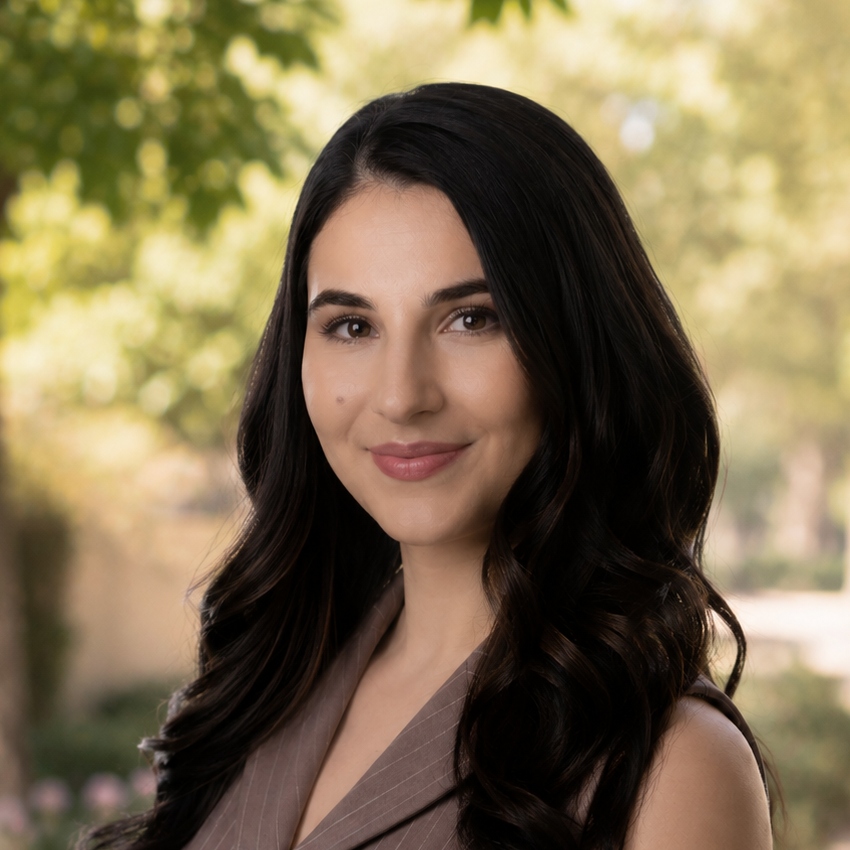
Amanda Felix AMFT

Amanda Felix, AMFT

Amanda works with adults, couples, and families navigating relationship challenges, family dynamics, communication difficulties, anxiety, and life transitions. Her approachable, engaging, and grounded style helps clients better understand relational patterns while building healthier ways of communicating and connecting.

Attachment-Based Therapy for Adults

Adults often seek attachment-focused therapy because they understand their patterns intellectually but still find themselves repeating them emotionally.

You may know that your partner is not abandoning you but still feel intense anxiety when they become distant.

You may want intimacy but find yourself pulling away when someone gets too close.

You may know you should set a boundary but feel guilty or afraid when you try.

Attachment-based therapy can help connect insight with emotional change.

Rather than simply asking, “Why do I do this?” therapy can help you understand what happens in the moment and practice different ways of responding.

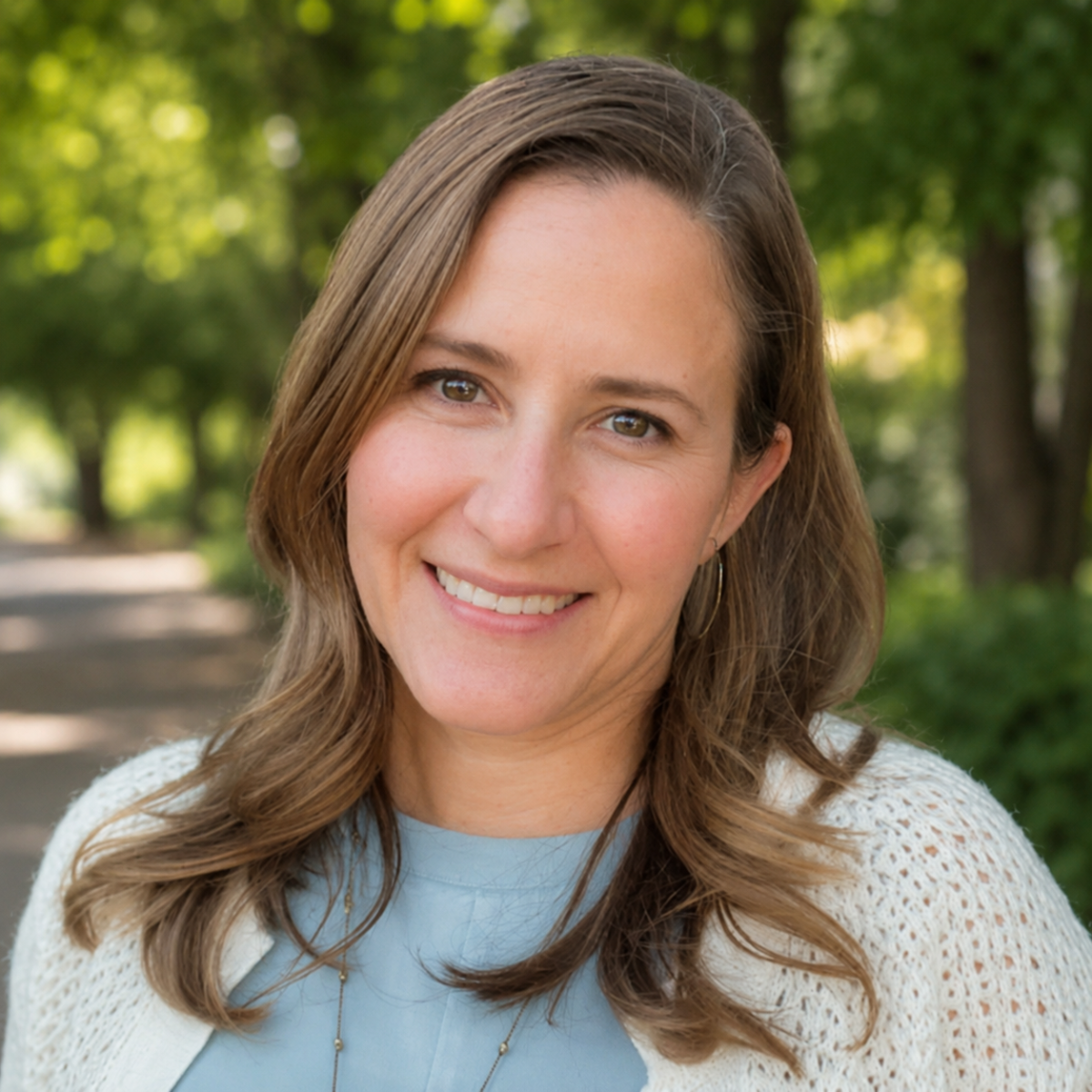
Natalie Tergalstanian, AMFT, APCC, therapist at Aspire Counseling Group in Arcadia, California.

Natalie Tergalstanian, AMFT, APCC

Natalie works with teens, adults, couples, and families navigating anxiety, relationship concerns, emotional stress, and life transitions. Her calm, supportive, and gentle approach helps clients explore attachment patterns, understand emotional needs, strengthen communication, and build healthier, more secure relationships.

Attachment-Based Therapy for Couples

Relationship conflict is often about more than the specific issue being argued about.

A disagreement about communication, time together, intimacy, parenting, or responsibilities can also activate deeper concerns about feeling valued, understood, safe, important, or connected.

Attachment-focused couples therapy can help partners identify the cycle they get caught in rather than viewing each other as the problem.

Therapy may help couples:

  • recognize recurring conflict patterns
  • understand emotional triggers
  • communicate needs more clearly
  • reduce criticism and defensiveness
  • respond differently to withdrawal or pursuit
  • repair after conflict
  • strengthen emotional connection
  • develop greater trust and security

Learn more about our Couples Counseling services.
Spanish-speaking therapist in Arcadia

Ivana Gomez del Campo, AMFT

Ivana provides therapy in English and Spanish for teens, adults, couples, and families navigating anxiety, relationship patterns, emotional stress, trauma, and life transitions. Her warm, patient, and reflective approach helps clients better understand attachment patterns, strengthen communication and boundaries, and build healthier, more secure relationships.

Is Attachment-Based Therapy Right for Me?

Attachment-focused therapy may be a good fit if you want to understand not only what you do in relationships, but also why certain situations feel so emotionally powerful.

It may be helpful if you:

  • struggle to trust others
  • worry about being rejected or abandoned
  • pull away when people become emotionally close
  • become overwhelmed during relationship conflict
  • find yourself people-pleasing
  • have difficulty setting boundaries
  • repeatedly enter painful relationship patterns
  • struggle to express emotional needs
  • feel responsible for other people’s feelings
  • want to feel more secure in relationships
  • want to understand how past experiences affect your current relationships

You do not need to identify with a particular “attachment style” to benefit from attachment-focused therapy.

Our Personalized Approach to Attachment Therapy

At Aspire Counseling Group, attachment-based therapy is never one-size-fits-all.

Our therapists consider your current relationships, past experiences, emotional responses, cultural and family context, coping patterns, strengths, and goals.

Attachment-focused work may be combined with Cognitive Behavioral Therapy, DBT, EMDR, family systems therapy, mindfulness, and other trauma-informed approaches depending on what would be most helpful for you.

Our goal is not to assign you an attachment label.

It is to help you understand yourself more clearly, develop healthier relationship patterns, communicate more effectively, and build relationships that feel more secure and sustainable.

Attachment Therapy in Arcadia, CA and Online Across California

Aspire Counseling Group offers attachment-based therapy in Arcadia, CA for teens, adults, couples, and families, with online therapy available throughout California.

Our Arcadia therapy office serves clients from Pasadena, San Marino, Monrovia, Sierra Madre, Temple City, and communities throughout the San Gabriel Valley.

Our therapists provide care in English, Spanish, Mandarin Chinese, ASL, and Armenian.

You do not need to know your attachment style or which therapy approach you need before reaching out. Our care coordinator and clinical director can help match you with a therapist based on your concerns, preferred style and approach, language, schedule, and insurance or payment needs.

Getting Started Is Simple

1. Reach Out

Call, text, or request an appointment online.

2. We Help Match You With a Therapist

Our care coordinator and clinical director work together to understand what you’re looking for and help match you with a therapist based on your concerns, preferred style and approach, language, schedule, and insurance or payment needs.

3. Begin Exploring Relationship Patterns

Your therapist will help you better understand the relationship and emotional patterns affecting your life while developing healthier ways of communicating, setting boundaries, and connecting with others.

Same-week, evening, and weekend appointments are available.

Frequently Asked Questions About Attachment-Based Therapy

Q: What is attachment-based therapy?
A: Attachment-based therapy explores how relationship experiences may influence emotional responses, trust, communication, boundaries, and the way you connect with others. Therapy can help you recognize patterns and develop healthier, more flexible ways of relating.

Q: What happens during attachment therapy?
A: Your therapist may help you explore current and past relationships, identify emotional and relational patterns, understand triggers, and practice different ways of communicating and responding. Therapy should move at a pace that feels manageable for you.

Q: Do I need to know my attachment style?
A: No. You do not need to identify as securely attached, anxiously attached, avoidantly attached, or any other attachment style before starting therapy. Your therapist can help you understand your individual patterns without reducing your experiences to a label.

Q: Can attachment therapy help with relationships?
A: Yes. Attachment-focused therapy may help you better understand patterns involving trust, communication, emotional closeness, boundaries, conflict, reassurance, withdrawal, and fear of rejection.

Q: Can attachment therapy help with trust issues?
A: It may. Therapy can help you understand where difficulties with trust may come from and explore ways of developing healthier relationships without asking you to trust others before you feel ready.

Q: What if I have trouble talking about my past?
A: You do not have to discuss every detail of your past before you are ready. Attachment-based therapy can begin with what is happening in your life and relationships now. Your therapist will work at a pace that feels supportive and manageable.

Q: Is attachment-based therapy only for people with childhood trauma?
A: No. Attachment-based therapy may be helpful for people with many different backgrounds. Relationship patterns can be influenced by childhood experiences, later relationships, loss, trauma, family dynamics, cultural experiences, and other important life events.

Q: How long does attachment-based therapy take?
A: There is no single timeline. The length of therapy depends on your goals, concerns, relationship patterns, past experiences, and how you respond to treatment.

Q: Can attachment therapy be combined with other approaches?
A: Yes. Attachment-focused therapy may be combined with CBT, DBT, EMDR, family systems therapy, mindfulness, and other trauma-informed approaches depending on your needs.

Q: Do you offer attachment therapy near Pasadena, San Marino, or Monrovia?
A: Yes. Aspire Counseling Group offers attachment-based therapy in Arcadia, CA, near Pasadena, San Marino, Monrovia, Sierra Madre, Temple City, and other San Gabriel Valley communities. Online therapy is also available throughout California.

Q: How do I get started?
A: Call or text (626) 639-8844 or schedule an appointment online. Our care coordinator and clinical director can help match you with a therapist based on your concerns, preferred style and approach, language, schedule, and insurance or payment needs.

Ready to Get Started?

If you feel stuck in painful relationship patterns, struggle with trust or boundaries, or want to better understand the way you connect with others, attachment-based therapy can help you develop greater insight and healthier ways of relating.

Aspire Counseling Group provides attachment-based therapy in Arcadia, CA and online therapy throughout California.

Call or text (626) 639-8844 or view current availability and schedule an appointment online.

Our care coordinator and clinical director can help connect you with a therapist whose experience, approach, and style fit what you are looking for.

Recent Blog Posts

Attachment Styles in Relationships: How Therapy Can Help

Attachment styles can influence how we experience closeness, trust, conflict, and emotional safety in relationships. Learn about secure, anxious, avoidant, and disorganized attachment, how these patterns affect adult and family relationships, and how therapy can help build healthier ways of connecting.

Exploring Attachment Styles: Insights from the Psychotherapists at Aspire Counseling Group in Arcadia, CA
Ready to get started?
Call us today at (626) 639-8844 or book online. Our care coordinator and clinical director can help match you with a therapist based on your concerns, preferred style and approach, language, schedule, and insurance or payment needs.
Skip to content