
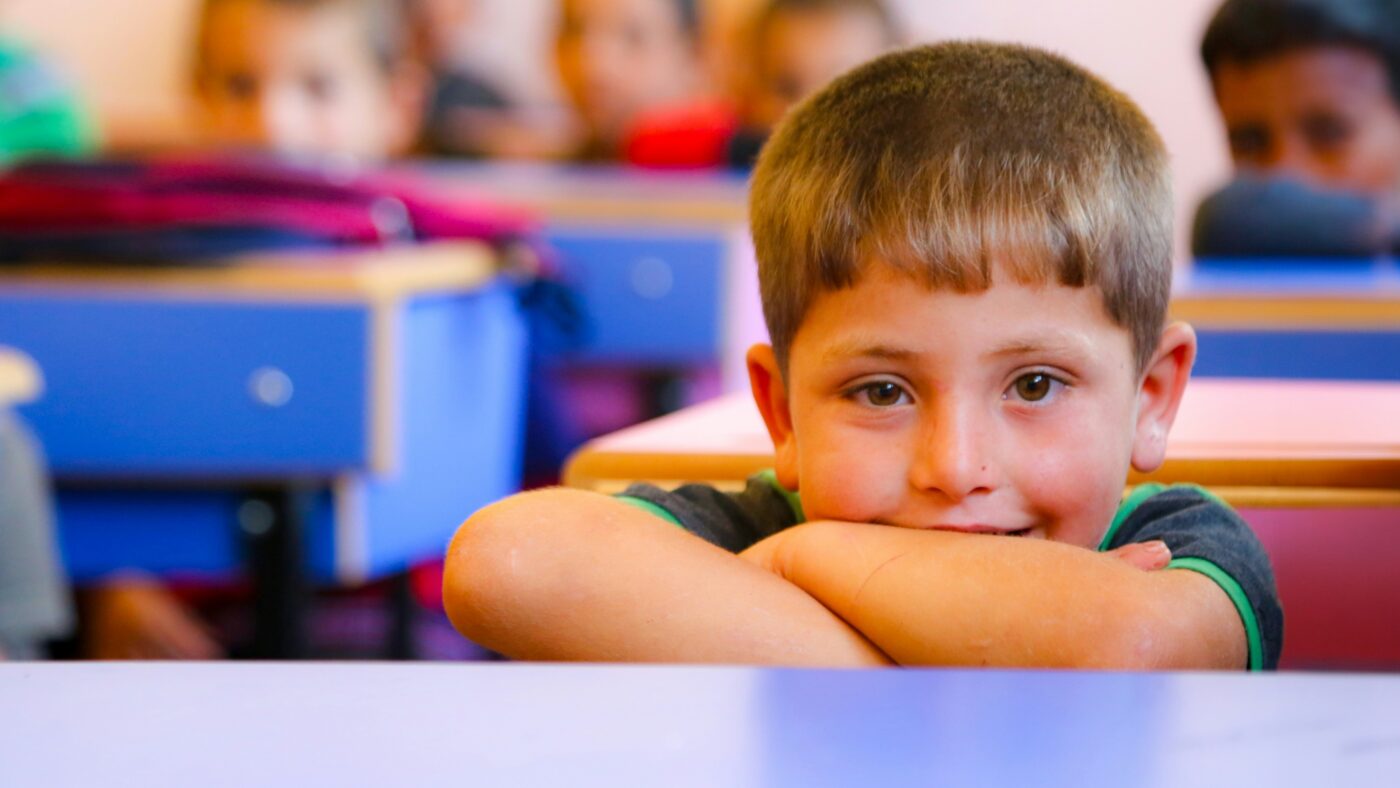
Back-to-School Anxiety in Children and Teens: When Is It More Than Normal Stress?
The beginning of a new school year can bring excitement, anticipation, and a fresh start. It can also bring uncertainty.
A child may wonder whether they will like their teacher, find their classroom, make friends, or keep up with schoolwork. A teen may worry about academic pressure, social dynamics, extracurricular activities, changing friendships, or expectations about the future.
Some nervousness during this transition is normal. New routines take time to feel familiar, and many children and teens need a period of adjustment.
But sometimes back-to-school worry becomes more intense. Anxiety may begin affecting sleep, mood, physical health, family routines, attendance, or the ability to participate in school. Parents may find themselves wondering whether their child needs reassurance and time or whether something more is happening.
Understanding the difference can help families respond with compassion and seek support when it may be helpful.
Why the Beginning of School Can Trigger Anxiety
Returning to school involves many changes at once.
Children and teens may be adjusting to:
- a new teacher or school
- unfamiliar classmates
- changes in friendships
- increased academic expectations
- a more demanding schedule
- separation from parents or caregivers
- social pressure or fear of being judged
- concerns about bullying
- sensory demands, noise, crowds, or transitions
- uncertainty about where they belong
- pressure to perform well
Even positive changes can activate anxiety. The brain often responds to uncertainty by scanning for possible problems and trying to predict what will happen next.
For some young people, worry decreases once the routine becomes familiar. For others, the anxiety continues or becomes stronger as school demands increase.
What Normal Back-to-School Nervousness May Look Like
A child or teen experiencing a typical adjustment may:
- feel nervous before the first day
- ask repeated questions about the new routine
- have temporary difficulty falling asleep
- want extra reassurance from a parent
- feel shy or hesitant in a new classroom
- complain about school while still attending
- feel tired or irritable during the first week
These reactions often improve as the child learns what to expect, reconnects with friends, and settles into a predictable routine.
The presence of worry alone does not necessarily mean a child has an anxiety disorder. What matters is the intensity, duration, and impact of the symptoms.
Signs School Anxiety May Need More Attention
Back-to-school anxiety may need additional support when it is persistent, escalating, or interfering with daily life.
Signs may include:
- frequent stomachaches, headaches, nausea, or other physical complaints
- difficulty falling asleep or staying asleep
- crying, panic, or intense distress before school
- repeated requests to stay home
- refusing to get dressed, leave the house, or enter school
- frequent visits to the school nurse without a clear medical explanation
- irritability, anger, or meltdowns related to school
- withdrawing from friends or activities
- perfectionism or intense fear of making mistakes
- difficulty concentrating because of worry
- a sudden decline in attendance or academic performance
- needing constant reassurance that something bad will not happen
- anxiety that continues beyond the initial adjustment period
Anxiety does not always look like fear. In children and teens, it may appear as anger, avoidance, defiance, physical complaints, shutdown, or exhaustion.
Some young people also work hard to hide their anxiety during the school day. They may appear calm and cooperative at school but become tearful, irritable, or overwhelmed once they return home.
How School Anxiety Can Look Different in Children and Teens
Younger children may have difficulty explaining what they are feeling. Instead of saying, “I am anxious,” they may say their stomach hurts, cling to a caregiver, cry during separation, or insist that they cannot go to school.
They may worry about:
- being away from a parent
- getting lost
- not knowing what to do
- using the bathroom at school
- making a mistake
- being unable to complete an assignment
- something happening to a family member while they are away
Teenagers may be more likely to hide their distress or describe it as stress, exhaustion, boredom, or not caring.
Teen anxiety may involve:
- fear of embarrassment or judgment
- pressure to maintain grades
- worries about college or the future
- friendship conflict or social exclusion
- body image concerns
- presentations, tests, or class participation
- feeling behind or unable to keep up
- difficulty balancing school, activities, work, and family responsibilities
A teen who says “school is pointless” may be expressing frustration, but the statement may also be covering fear of failure, social anxiety, low mood, or feeling overwhelmed.
When School Avoidance Becomes a Pattern
School avoidance refers to ongoing difficulty attending or remaining at school because of emotional distress. A child may refuse outright, repeatedly report physical symptoms, ask to leave early, or miss increasing amounts of school.
Avoidance can provide immediate relief from anxiety, but staying home may make returning feel even harder. The child misses opportunities to discover that they can cope, and school begins to feel increasingly unfamiliar or threatening.
This does not mean the child is being manipulative or simply needs stricter discipline. School avoidance can be connected to anxiety, depression, bullying, learning challenges, trauma, family changes, social difficulties, or unmet developmental needs.
When attendance becomes an ongoing struggle, it is important to understand what is driving the distress. According to the American Academy of Child and Adolescent Psychiatry, early support and collaboration among the family, school, and treating professional can make it easier for a child to return successfully.
What Parents Can Do at Home
Parents cannot remove every source of uncertainty, but they can help children and teens feel supported while building confidence.
Listen before trying to solve the problem
Ask calm, specific questions:
- “What part of the school day feels hardest?”
- “When do you notice the worry most?”
- “Is there anything you are afraid might happen?”
- “What would help tomorrow feel a little more manageable?”
The goal is not to interrogate or immediately reassure. It is to understand what the child is experiencing.
Validate the feeling without confirming the fear
You might say:
“It makes sense that starting a new school year feels uncertain. We can figure out what would help you feel more prepared.”
This communicates that the feeling is real while reinforcing that the child can face the situation with support.
Reestablish predictable routines
Consistent sleep, morning, homework, meal, and evening routines can reduce uncertainty. Preparing clothes, backpacks, lunches, or transportation plans in advance may make mornings feel less rushed.
Try to make changes gradually. A child who has been staying up late throughout the summer may need time to adjust to an earlier schedule.
Break overwhelming tasks into smaller steps
Instead of focusing on the entire semester, help the child think about the next manageable step: getting ready, arriving at school, attending the first class, checking in with a trusted adult, or completing one assignment.
Small successes can build confidence.
Coordinate with the school
Teachers, counselors, administrators, and support staff may notice patterns that are not visible at home. When appropriate, families can work with the school to identify a trusted adult, create a morning check-in, address bullying or learning concerns, or develop additional supports.
For teenagers, include them in these conversations whenever possible so support does not feel like something being done behind their back.
School Anxiety, ADHD, and Neurodivergence
School can be especially demanding for children and teens with ADHD, autism, sensory differences, learning challenges, or other forms of neurodivergence.
A student may be managing:
- executive functioning demands
- frequent transitions
- sensory overload
- unclear expectations
- social communication stress
- difficulty starting or completing assignments
- fear of being misunderstood
- repeated criticism about organization or behavior
- exhaustion from trying to appear as though they are coping
What looks like avoidance or lack of motivation may reflect overwhelm, anxiety, difficulty with task initiation, or an environment that does not adequately support the student’s needs.
Our ADHD therapy in Arcadia is practical and neurodiversity-affirming. Therapy can help children and teens understand their patterns, reduce shame, strengthen emotional regulation, and build strategies that work with their needs rather than against them.
When to Consider Therapy for School Anxiety
Parents do not need to wait until a child completely refuses school or reaches a crisis point.
Therapy may be helpful when:
- anxiety persists after the initial adjustment period
- worries interfere with sleep, eating, concentration, or family life
- physical complaints happen frequently
- the child regularly asks to stay home or leave school
- mornings involve repeated panic, conflict, or distress
- the child is withdrawing from friends or activities
- school performance changes significantly
- reassurance only helps briefly
- the child seems overwhelmed but cannot explain why
- parents are unsure how to respond without increasing anxiety
Frequent or unexplained physical symptoms should also be discussed with the child’s pediatrician or another appropriate medical professional. Emotional and physical concerns can overlap, and families should not assume that every symptom is caused by anxiety.
How Therapy Can Help Children and Teens
Therapy offers a supportive place for children and teens to understand what they are feeling and practice responding differently to anxiety.
Depending on the child’s age and needs, therapy may help them:
- identify anxiety triggers
- understand how anxiety affects thoughts, emotions, and the body
- express worries that are difficult to discuss at home
- develop coping and grounding skills
- challenge anxious predictions
- build confidence with difficult situations
- reduce avoidance gradually and safely
- strengthen emotional regulation
- improve communication with caregivers
- address perfectionism, social anxiety, or school stress
Approaches such as Cognitive Behavioral Therapy can help young people notice anxious thought patterns, build coping skills, and take manageable steps toward situations they have been avoiding.
With younger children, therapy may include developmentally appropriate conversation, play, creative activities, and caregiver involvement. With teenagers, therapy may focus more directly on stress, identity, relationships, academic pressure, coping strategies, and independence.
The goal is not to promise that school will never feel stressful. The goal is to help the child feel more capable of managing anxiety without allowing it to control attendance, participation, relationships, or daily life.
Supporting Your Child Without Blaming Yourself
When a child is struggling with school anxiety, parents may wonder whether they are responding correctly. You may worry that you are being too accommodating, too firm, too anxious, or not supportive enough.
There is rarely one perfect response.
Parents are often trying to balance empathy with structure while managing work, school expectations, siblings, transportation, and their own emotions. Therapy can support caregivers as well as children by helping families understand the anxiety cycle, respond more consistently, and reduce conflict around school.
Seeking support does not mean you have failed. It means you are paying attention to what your child may need.
Child and Teen Anxiety Therapy in Arcadia, CA
Aspire Counseling Group provides anxiety therapy in Arcadia for children, teens, and families navigating back-to-school anxiety, school avoidance, emotional regulation challenges, academic stress, social concerns, and difficult transitions.
Our child therapists and teen therapists use compassionate, developmentally appropriate, and evidence-based approaches tailored to each young person’s needs.
We offer in-person therapy in Arcadia for families from Pasadena, San Marino, Monrovia, Sierra Madre, Temple City, and surrounding San Gabriel Valley communities. Online therapy may also be available throughout California when clinically appropriate.
To get started, call or text (626) 639-8844 or schedule an appointment online. Our care coordinator will learn about your child’s needs, preferences, schedule, and insurance and help match your family with an appropriate therapist.
Frequently Asked Questions About Back-to-School Anxiety
Q: Is back-to-school anxiety normal?
A: Some nervousness is normal when children and teens begin a new school year, enter a new school, meet a new teacher, or adjust to different expectations. The anxiety may need more attention when it remains intense, persists beyond the adjustment period, or interferes with sleep, attendance, schoolwork, relationships, or family life.
Q: What are the physical signs of school anxiety?
A: School anxiety may cause stomachaches, headaches, nausea, fatigue, muscle tension, difficulty sleeping, appetite changes, or a racing heart. Physical symptoms should be taken seriously. If they are frequent, severe, or unexplained, consult the child’s pediatrician or another appropriate medical professional.
Q: Why does my child seem fine at school but fall apart at home?
A: Some children and teens work hard to contain their emotions during the school day. When they return to a safer or more familiar environment, the effort of holding everything together may show up as tears, irritability, shutdown, exhaustion, or meltdowns.
Q: What is the difference between school anxiety and school avoidance?
A: School anxiety refers to worry or distress connected to school. School avoidance develops when that distress leads to repeated difficulty attending, entering, or remaining at school. Not every anxious child avoids school, but increasing absences or requests to leave early are important patterns to address.
Q: Can therapy help with school refusal or school avoidance?
A: Yes. Therapy can help identify what is contributing to the avoidance, teach coping skills, involve caregivers, and support a gradual return to consistent attendance. Collaboration with the school and pediatrician may also be helpful, depending on the child’s needs.
Q: How long should I wait before seeking help?
A: There is no required waiting period. Consider seeking support when anxiety is intense, getting worse, repeatedly disrupting family routines, or interfering with attendance and functioning. Early support may prevent avoidance from becoming more established.
Q: Does my child need an anxiety diagnosis to begin therapy?
A: No. A child or teen does not need to arrive with a diagnosis or know exactly what is wrong. Therapy can begin by understanding the symptoms, the situations that trigger distress, and how the anxiety is affecting daily life.
Q: Do you offer therapy for school anxiety near Pasadena and Monrovia?
A: Yes. Aspire Counseling Group offers in-person child and teen anxiety therapy at our Arcadia office, which is convenient for many families from Monrovia, Pasadena, San Marino, Sierra Madre, Temple City, and nearby San Gabriel Valley communities. Online therapy may also be available throughout California.
By Ani Martikyan, LMFT
Licensed Marriage and Family Therapist
Aspire Counseling Group
Last updated: August 2026